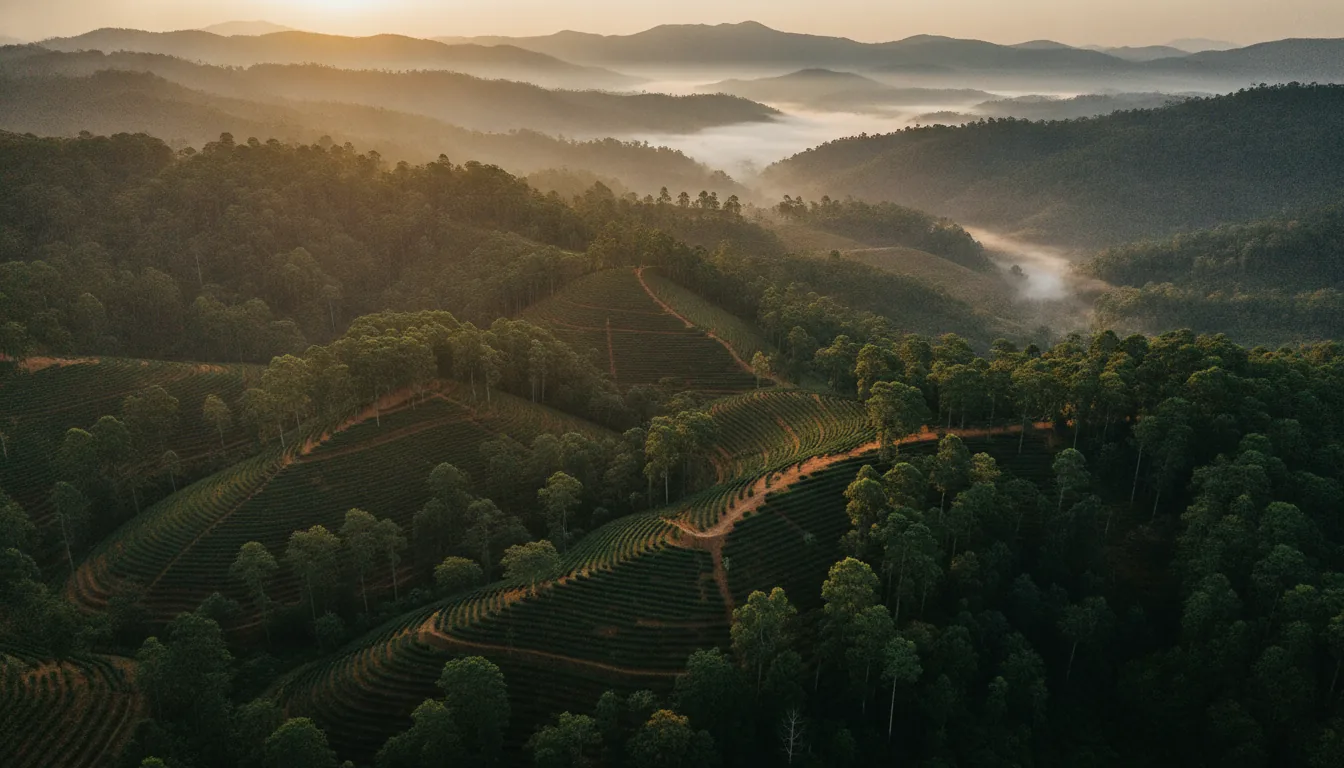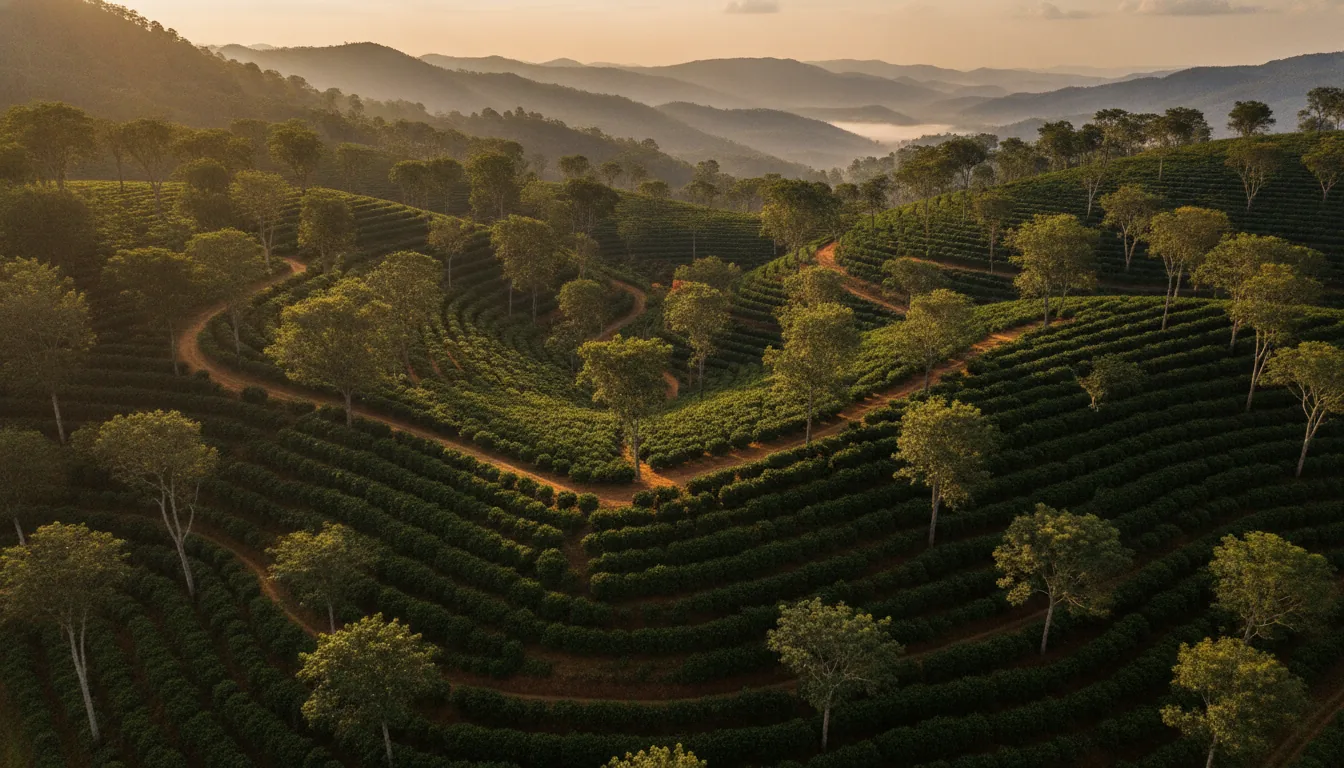

You are weighing Sakleshpur, Coorg and Chikmagalur and want the real differences between them, not a verdict that picks one and drops the rest. All three are genuine Karnataka coffee country, each with its own elevation, crop mix and feel. The right one is not the best one. It is the one that fits how you want to own land in the hills.
DIRECT ANSWER
Coorg is the largest, most established and most visited belt, Chikmagalur is the birthplace of Indian coffee and its Arabica heartland, and Sakleshpur is the quietest and closest to Bengaluru. All three sit in the Western Ghats and grow shade-grown coffee, so the choice comes down to fit, not rank. The table below lays them out side by side.
Table of Contents
Comparison Table
| Sakleshpur | Coorg (Kodagu) | Chikmagalur | |
| Distance from Bengaluru | Around 220 km, the closest of the three | Around 265 km, roughly a 5-6 hour drive | Around 251 km |
| Elevation and climate | Around 900 m (about 3,000 ft), a Malnad hill station with heavy monsoon | About 900 to 1,750 m; Madikeri near 1,525 m; rainfall often 2,500-3,000 mm or more | Up to about 1,930 m at Mullayanagiri, Karnataka’s highest peak; rainfall around 1,925 mm |
| Coffee and crop mix | Arabica and Robusta with pepper and cardamom; a distinct Manjarabad specialty cup | Robusta-dominant, Arabica in Somwarpet; pepper, cardamom and Coorg mandarin | India’s largest Arabica producer; Arabica in the upper hills, Robusta lower, with pepper |
| Character in one line | The quietest and greenest belt; British-era estates; Belur’s Hoysala heritage next door | The largest and most established belt; distinct Kodava culture; the Scotland of India | The birthplace of Indian coffee; the Arabica heartland; Mullayanagiri and Baba Budan Giri |
How do Sakleshpur, Coorg and Chikmagalur differ at a glance
At a glance, Coorg is the largest and most established coffee belt, Chikmagalur is the historic origin and Arabica heartland, and Sakleshpur is the quietest and closest to Bengaluru. All three sit in the Western Ghats and grow shade-grown coffee under a mixed canopy.
Karnataka grows around 70 percent of India’s coffee, and these three belts are its heart: Kodagu (Coorg), Chikmagalur and Hassan, the district that holds Sakleshpur. They share the Western Ghats, the monsoon, and shade-grown coffee under native and silver-oak canopy. What separates them is scale, elevation, the Arabica-to-Robusta balance, and how developed and busy each belt feels. The sections below take those differences one axis at a time, and each one matters differently depending on why you want to own here.
Where is each coffee belt, and how far is it from Bengaluru
Sakleshpur is the closest of the three belts to Bengaluru at around 220 km, followed by Chikmagalur at roughly 251 km, and Coorg at about 265 km, a five to six hour drive to Madikeri. Distances shift a little with your starting point in the city.
Proximity is a real decision factor, not a detail. Sakleshpur’s roughly 220 km makes it the easiest of the three to reach from Bengaluru, which is part of why the belt stays quieter and less built up than the others. Chikmagalur follows at about 251 km, and Coorg sits furthest at around 265 km, with Madikeri, its headquarters town, five to six hours out. None of this ranks the belts; it simply tells you how close your land would sit to the city you likely leave from. How far up each belt climbs shapes the next axis, the climate.
How do the climate and elevation compare across the three belts
The three belts differ mainly in height. Sakleshpur sits around 900 m, Coorg ranges from about 900 to 1,750 m with Madikeri near 1,525 m, and Chikmagalur rises to Mullayanagiri at roughly 1,930 m, Karnataka’s highest peak. All three catch heavy Western Ghats monsoon.
Elevation is what tilts a belt toward Arabica or Robusta, so it is worth reading closely. Sakleshpur is a Malnad hill station at about 3,000 feet, cool and mist-heavy but the lowest of the three overall. Coorg spans a wide band, roughly 900 to 1,750 m, with its plateau around 1,066 m and Madikeri near 1,525 m, and rainfall that often runs 2,500 to 3,000 mm or more. Chikmagalur climbs highest, topping out at Mullayanagiri near 1,930 m, with district rainfall around 1,925 mm. The figures let you compare directly rather than trust a vague label. Height and rain then decide what each belt can grow best.
What does each belt actually grow
All three grow shade-grown coffee, but the mix differs. Coorg is Robusta-dominant with Arabica in Somwarpet, Chikmagalur is India’s largest Arabica producer, and Sakleshpur grows both alongside pepper and cardamom under its Manjarabad name. Intercrops set the belts apart as much as the coffee does.
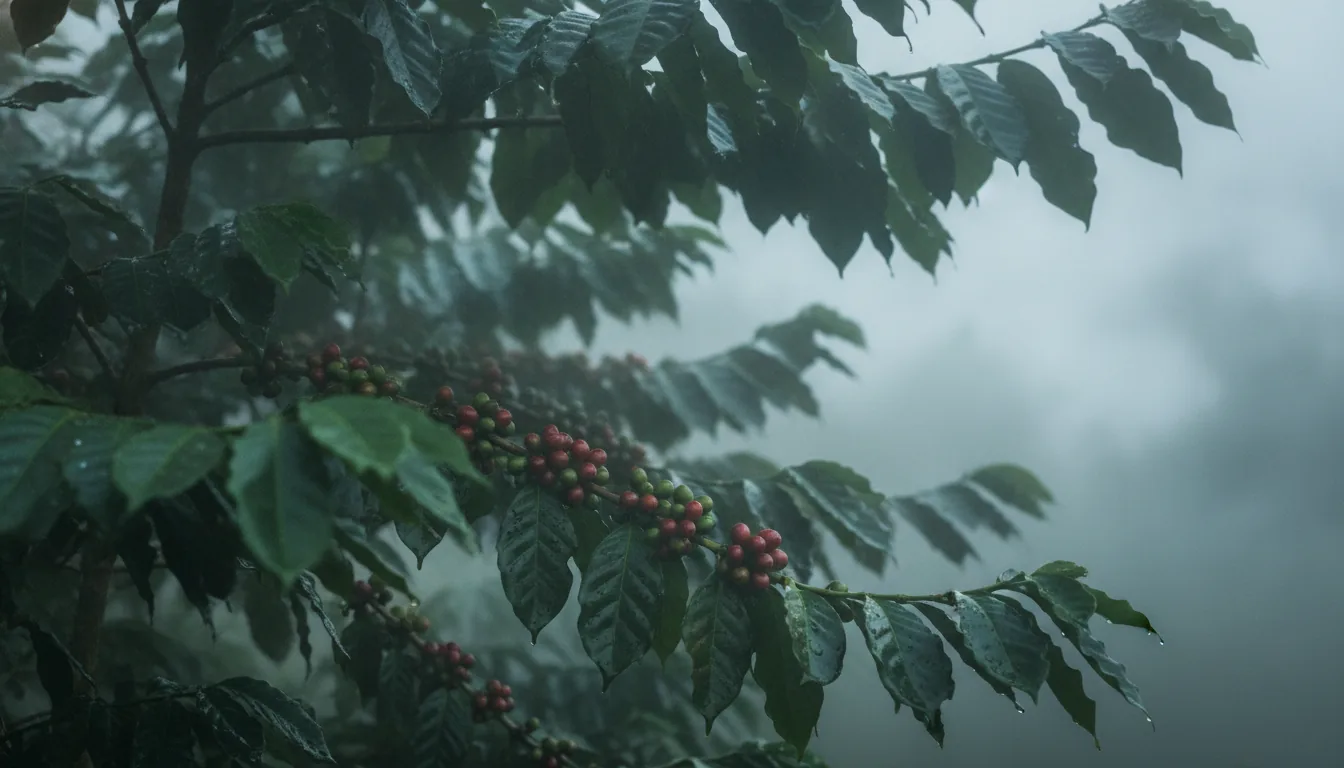
Coffee is only the headline. Coorg, India’s largest coffee-producing district, leans Robusta across Madikeri, Virajpet, Ponnampet and Kushalnagar, with Arabica strongest in Somwarpet, and it intercrops pepper, cardamom and the well-known Coorg mandarin orange. Chikmagalur, the second-largest district and the largest Arabica producer in India, runs Arabica in its upper hills and Robusta lower, with pepper woven through. Sakleshpur’s Manjarabad belt grows both varieties with pepper and cardamom, and specialty roasters treat its cup as a distinct, fruit-forward, light-roast-leaning origin. Three different plates from the same mountain range. What each belt grows feeds naturally into how each one feels.
What gives each belt its own character
Each belt feels distinct. Coorg is the largest, most established and most visited, with its own Kodava culture; Chikmagalur is the birthplace of Indian coffee and its Arabica heartland; and Sakleshpur is the quietest and greenest, with Belur’s heritage next door.
Coorg wears its history openly. Large-scale planting there is old, the first Coorg plantation opened near Madikeri in 1854, and the belt is often called the Scotland of India, with a distinct Kodava culture and the most developed, most visited estate country of the three. It is the belt for someone who wants scale and an established planter world around them.
Chikmagalur carries the origin story. This is where coffee was first cultivated in India, on the Baba Budan Giri hills in the 17th century, and it remains the Arabica heartland, ringed by Mullayanagiri, Kudremukh and the temple town of Sringeri. It suits an owner drawn to heritage and to Arabica-forward high country.
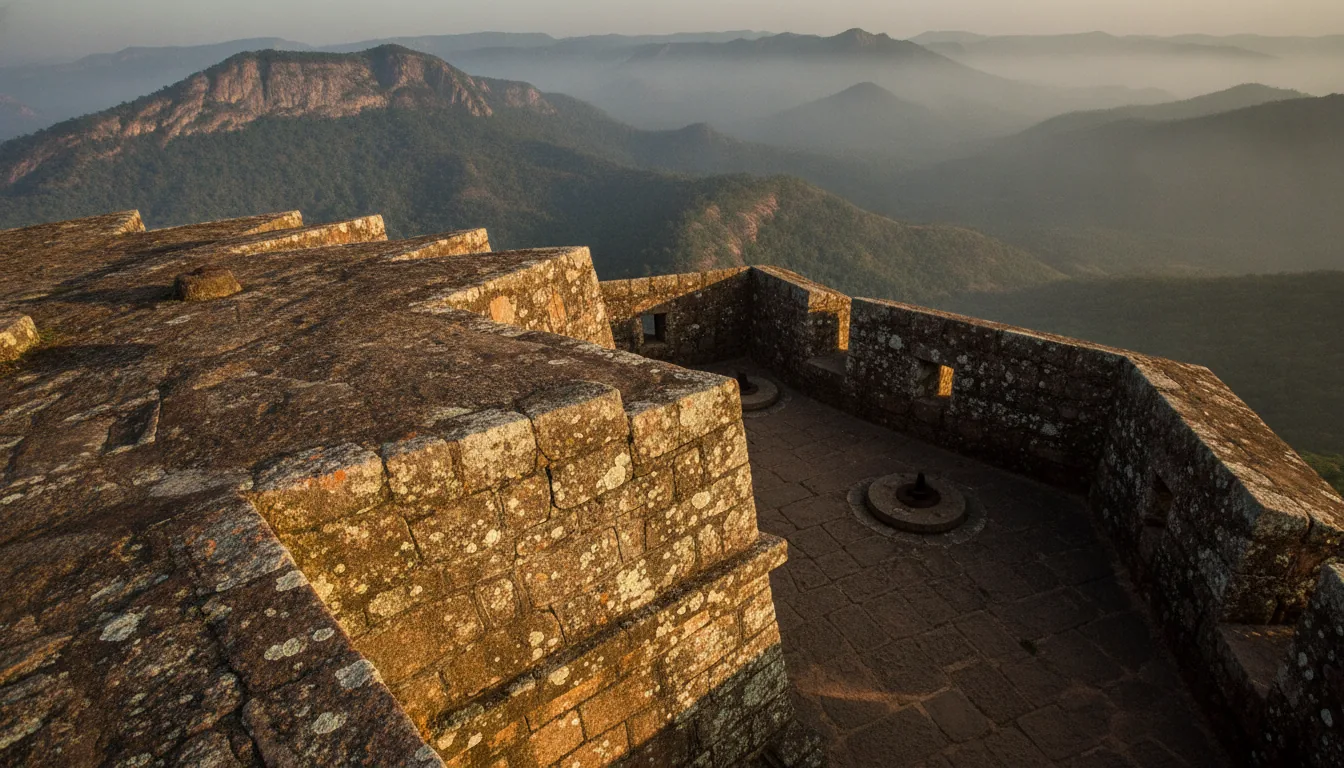
Sakleshpur is the quiet one. It is the greenest and least touristy of the three, with British-era estates, the Manjarabad appellation, and Belur’s UNESCO-listed Hoysala temple sitting next door in the same Belur-Sakleshpur belt. It fits an owner who wants closeness to Bengaluru and calm over crowds.
See the Sakleshpur belt in detail for what that looks like on the ground. Character is where the choice stops being about numbers and starts being about fit.
Which of the three belts is right for you
The right belt depends on your priorities, not on a ranking. Choose Sakleshpur for proximity and quiet, Coorg for scale and an established planter culture, or Chikmagalur for the historic Arabica heartland. Acres is rooted across the region, so fit decides, not a verdict.
Line the axes up against what you actually want. If short drives from Bengaluru and a calm, uncrowded belt matter most, Sakleshpur is the natural fit. If you want the largest, most developed coffee country with deep planter heritage, Coorg answers that. If the origin story and Arabica-forward high hills pull you, Chikmagalur is your belt. None of these is the best; each is best for someone.
Acres Community is rooted in Sakleshpur first, where our estate Euphora sits in the Belur-Sakleshpur belt, and is building toward Coorg and Chikmagalur as future estate country. While the world visits, you belong. Wherever you land, start with the belt that fits you and go deeper from its hub.
FREQUENTLY ASKED QUESTIONS
Are Chikmagalur and Sakleshpur the same?
No. Chikmagalur and Sakleshpur are separate coffee belts in different districts of Karnataka. Chikmagalur is its own district and the Arabica heartland, while Sakleshpur sits in Hassan district and is closer to Bengaluru at around 220 km.
Are Coorg and Sakleshpur the same?
No. Coorg (Kodagu) and Sakleshpur are distinct belts. Coorg is India’s largest coffee-producing district, further from Bengaluru at around 265 km, while Sakleshpur is a quieter Malnad belt in Hassan district, the closest of the three to the city.
Which is the largest coffee producer in Karnataka?
Coorg (Kodagu) is Karnataka’s and India’s largest coffee-producing district, at roughly 35 percent of national output. Chikmagalur is second-largest and India’s biggest Arabica producer, and it is where coffee was first cultivated in the country.
Which is colder, Coorg or Chikmagalur?
Both are cool, high Western Ghats belts. Chikmagalur reaches higher ground, rising to Mullayanagiri at about 1,930 m, Karnataka’s highest peak, while Coorg ranges from roughly 900 to 1,750 m, with Madikeri near 1,525 m. Higher elevations generally feel cooler.