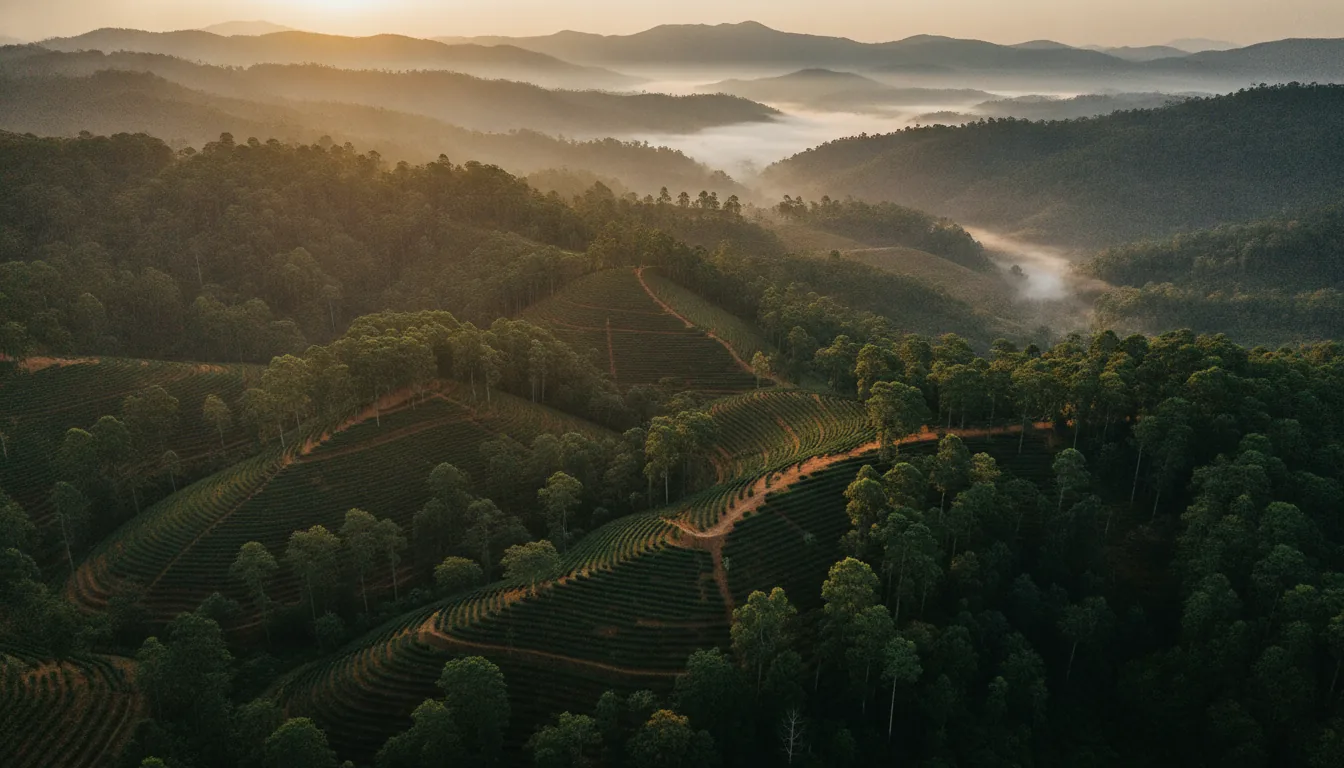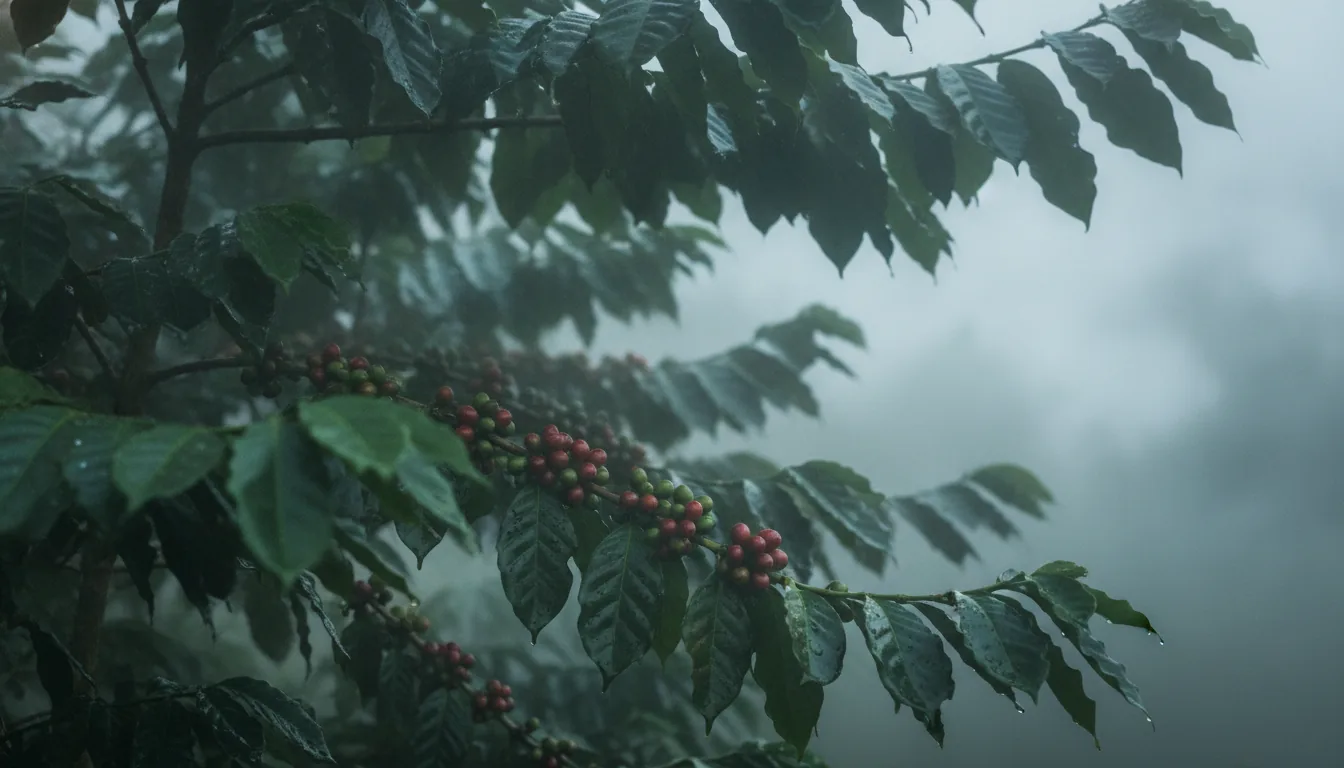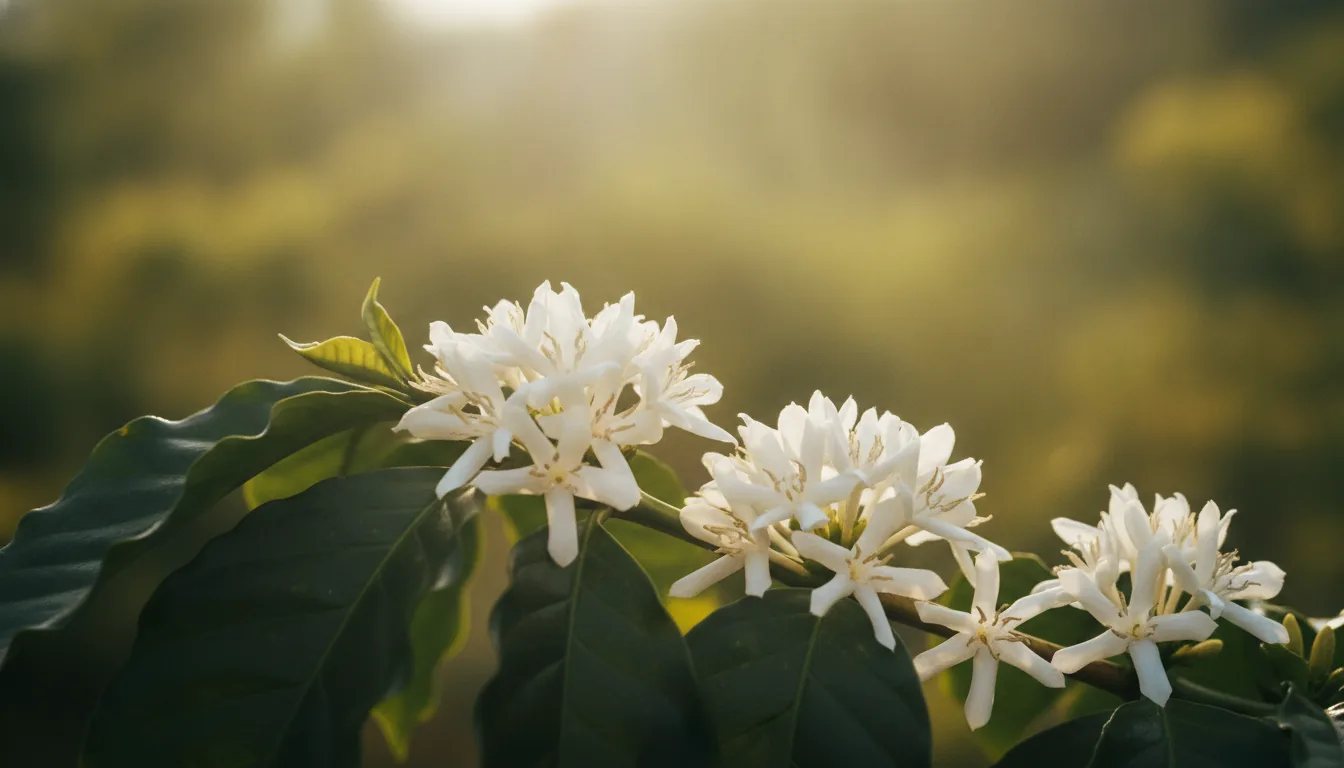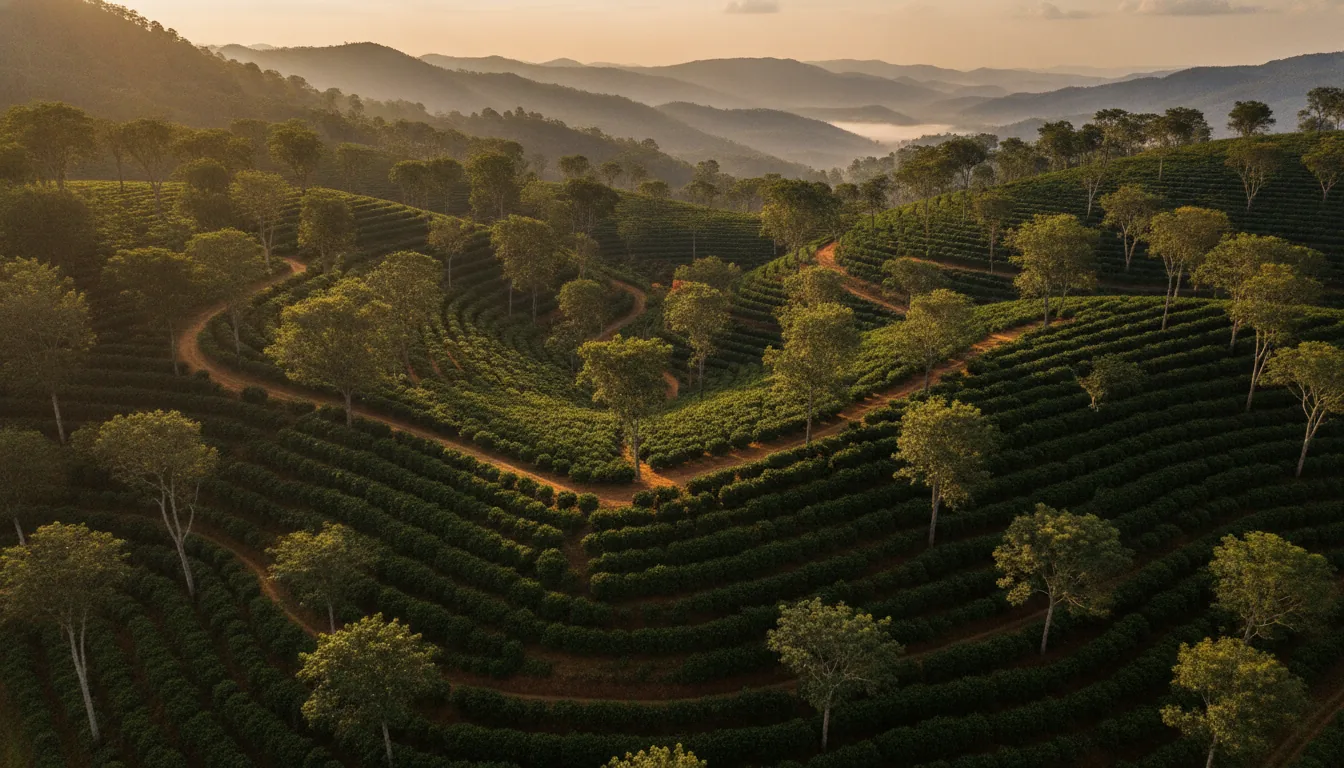

Real, clear ownership of a coffee estate, held in your name, yours to keep and to pass on. While the world visits, you belong.
When you buy an Acres Community estate, you buy freehold coffee land held in your name, and every document is provided and explained as part of the purchase.
TRANSPARENT PAPERWORK
The paperwork is ours to handle, not yours to police.
Most buying advice online reads like a survival guide for checking a stranger’s title. Acres Community works the other way. We hold clean freehold title and pass it to you with the records in order, so ownership begins with clarity instead of suspicion.
Table of Contents
The pillars of ownership clarity
- Freehold title in your name: The estate is registered to you on freehold title, held outright and not leased.
- The documents you receive: Sale deed, land records and clearances are handed to you and explained, not left for you to chase.
- Resale when you choose: A freehold estate is yours to sell when you decide, the same as any property you own.
- Yours to pass on: Your estate can go to your family by will or succession, the way owned land always has.
The paperwork is ours to handle
Most buying advice online reads like a survival guide for checking a stranger’s title. Acres Community works the other way. We hold clean freehold title and pass it to you with the records in order, so ownership begins with clarity instead of suspicion.
Which documents prove you own the estate
Your ownership rests on a registered sale deed, the land record (RTC or Pahani) in your name, the mutation that moves that record to you, and an encumbrance certificate confirming the estate carries no loans. Each document ties back to the estate’s survey number.
- Sale deed: the document that transfers ownership from seller to buyer, registered at the Sub-Registrar office. It carries the estate’s survey number, size and boundaries, and is the proof of transfer.
- RTC or Pahani: Karnataka’s record of rights, showing the owner’s name, the survey number and hissa, and the land extent in acres and guntas.
- Mutation: the entry that updates the land record into your name after registration. Karnataka’s auto-mutation process now updates the Bhoomi record roughly 15 days after registration.
- Encumbrance certificate: the Sub-Registrar’s record of transactions on the estate. A clean certificate confirms the land is free of loans or claims.
What do you actually own when you buy an estate
Freehold means the land is yours with no lease and no time limit. The estate is defined on the record by its survey number and boundaries.
The full detail of title, freehold and the records behind them is here what you actually own: title, freehold and the paperwork.
Can I sell the estate later
Yes. A freehold estate is yours to resell whenever you decide, the same as any immovable property you own. Resale typically uses a certified copy of the sale deed alongside the current land records.
How resale and handover actually work is covered in selling or passing on your estate later.
Can I pass the estate on to my family
Yes. A freehold estate passes to your family by will or succession, exactly as any owned land does.
What is a survey number, and why does it matter
A survey number is the unique identifier that ties an estate’s land records, boundaries and measurements to the ground. It appears on the sale deed and the RTC, and it is how the record confirms that the land you own is the land on the map. A single estate may span several survey numbers.
How does ownership work if I am an NRI
Owning from abroad is part of what we plan for. As an NRI you hold the estate remotely, with your relationship manager as your point of contact. Whether and how you can hold plantation land, along with tax and repatriation, depends on current regulations and your own circumstances.
We work through eligibility and the finer points with you and your own legal and financial advisor, and the detail lives in owning an estate in India as an NRI.
How do I take ownership, step by step, from enquiry to title deed
Ownership moves from enquiry, to viewing the estate, to agreeing terms, to registering the sale deed in your name and completing mutation. Acres guides each step and hands over the documents as they are completed, so you always know where the title stands.
The full sequence is walked through in the buying process, from enquiry to holding your title deed.
Where this ownership model is real today
Euphora, our live estate in the Belur-Sakleshpur belt, is the working example of the documents and transparent handover described above. See it here: our live estate, Euphora, in the Belur-Sakleshpur belt.
Frequently Asked Questions
What documents do I receive when I buy an estate?
You receive a registered sale deed, the land record (RTC or Pahani) updated to your name, the mutation entry, and an encumbrance certificate confirming the estate carries no loans. Each ties to the survey number and is handed over as part of the purchase.
Is an Acres Community estate freehold or leasehold?
It is freehold. You own the land outright, with no lease and no time limit. Freehold is what lets you keep it, resell it, or pass it on as you choose.
Can I sell or pass on my estate?
Yes. A freehold estate is yours to resell whenever you decide, and it passes to your family by will or succession like any owned immovable property.
Can an NRI own an estate in India?
Owning remotely as an NRI is part of what we plan for. Whether and how you can hold plantation land depends on current regulations and your circumstances, so we work through eligibility, tax and repatriation with you and your own legal advisor.
What is a survey number?
A survey number is the unique identifier that ties an estate’s land records, boundaries and measurements to the ground. A single estate may span several survey numbers, and every ownership document refers back to them.