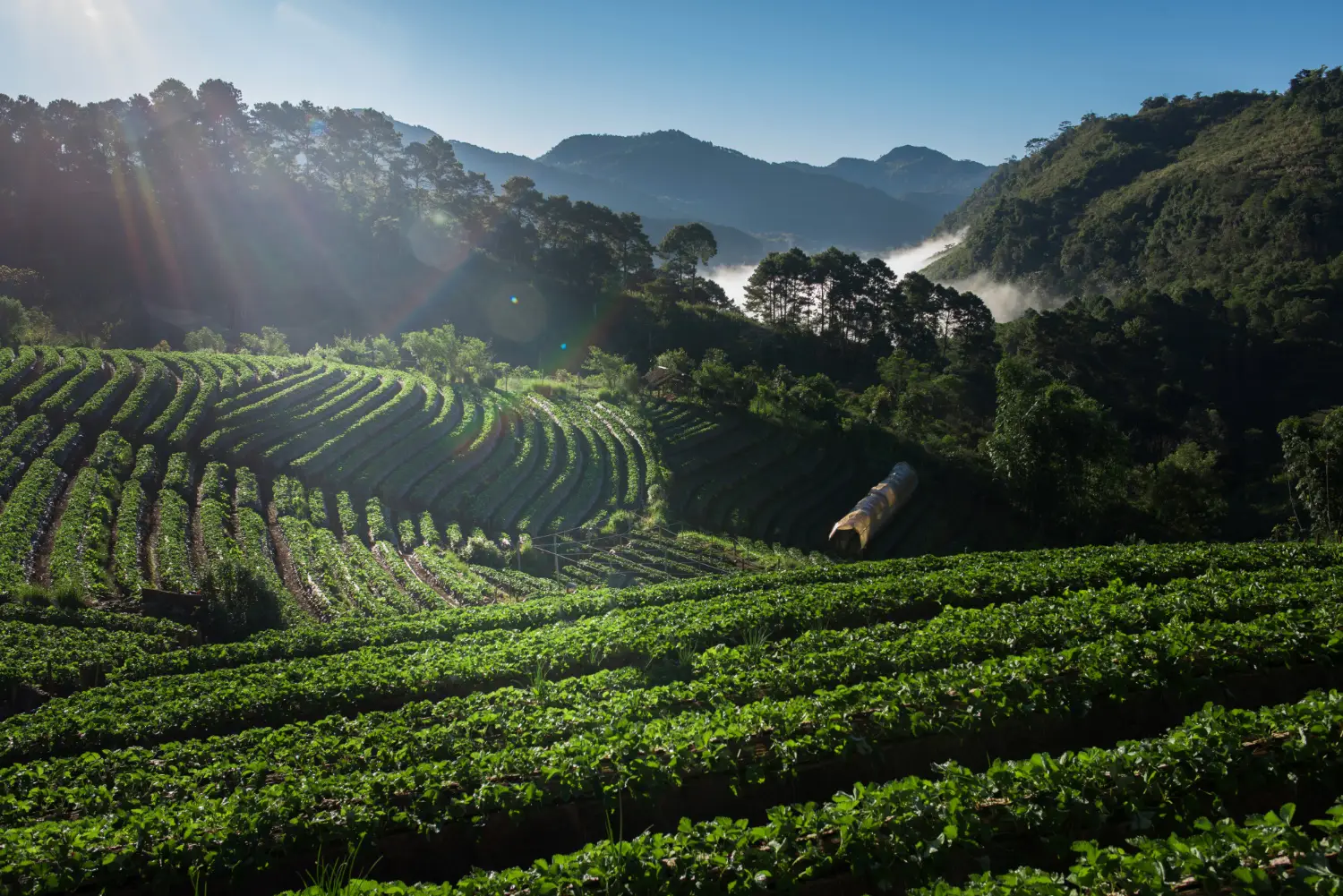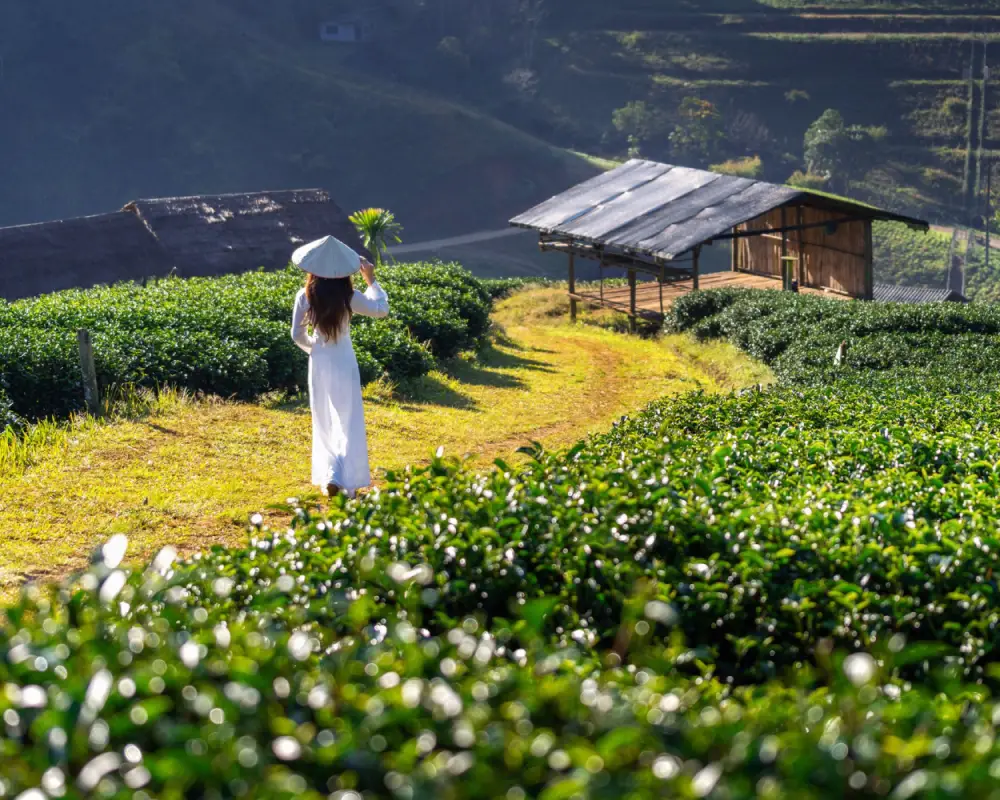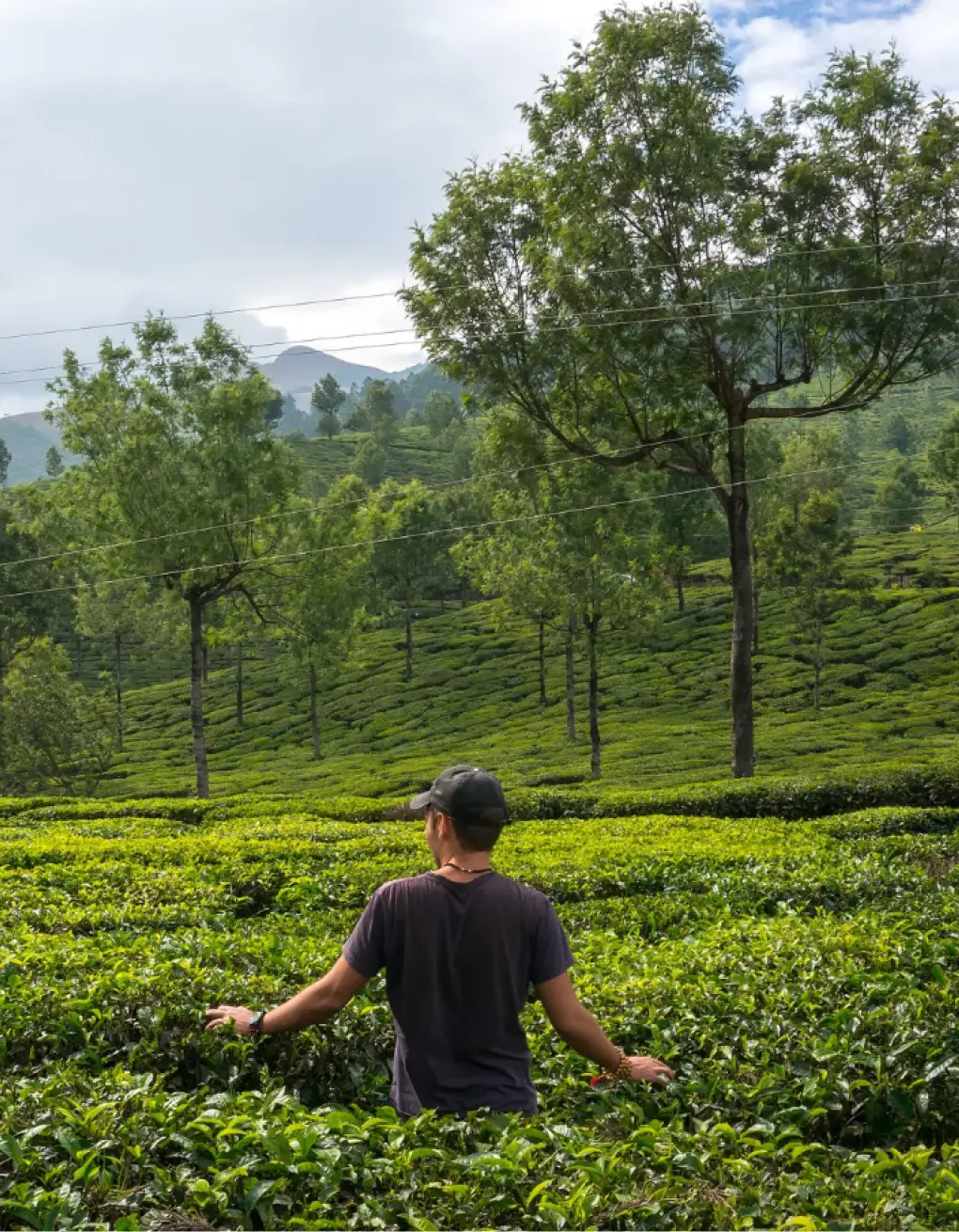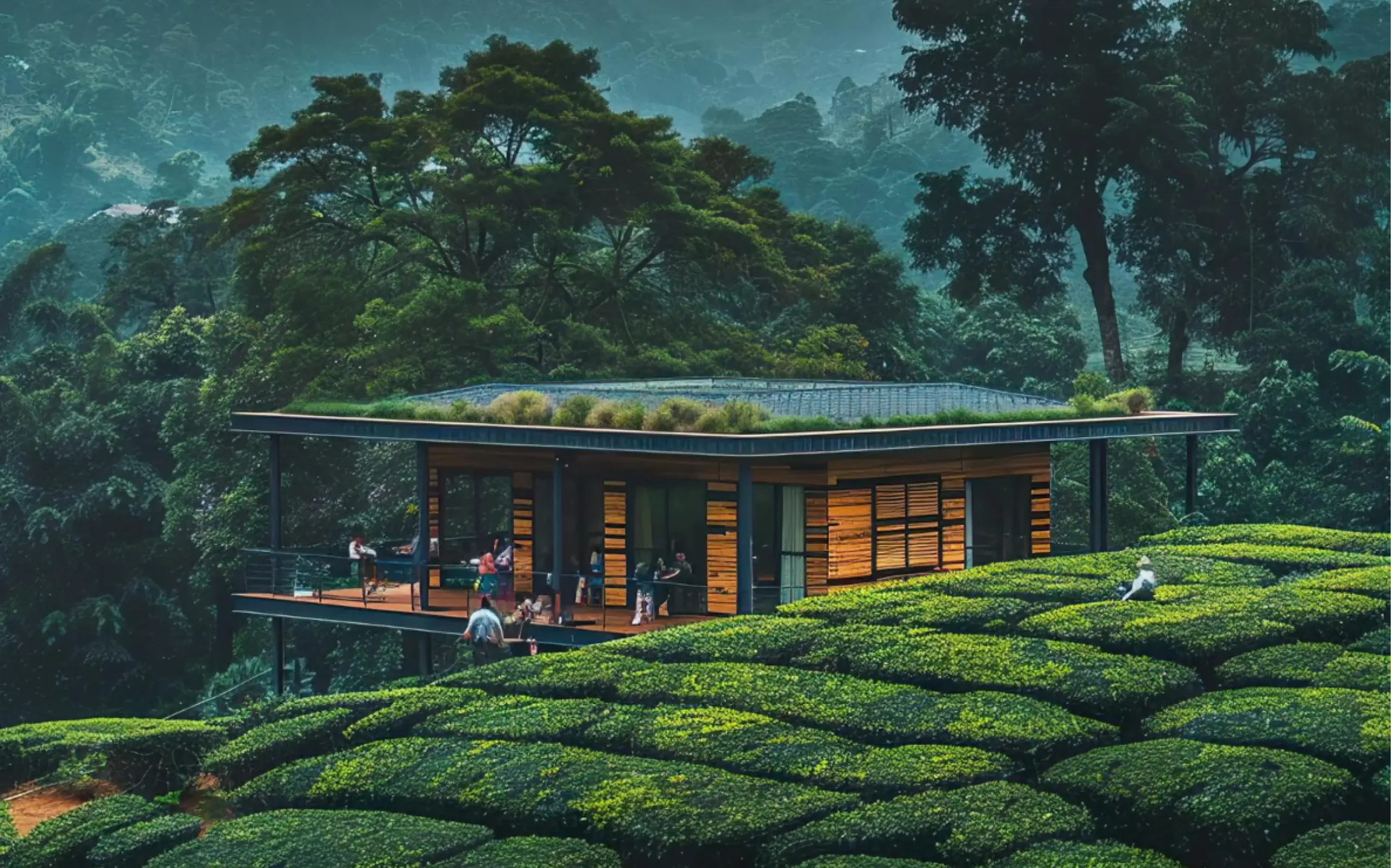
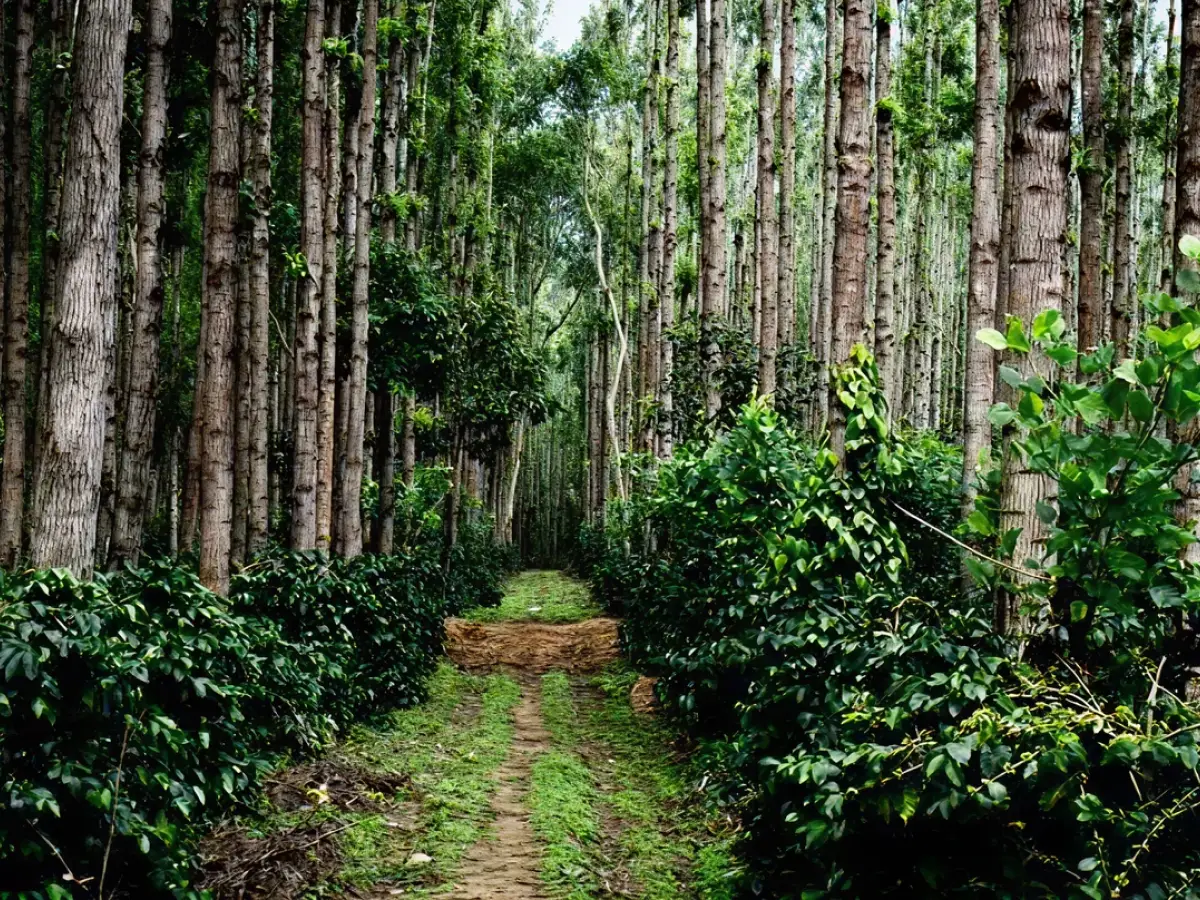
This is your estate in the Belur-Sakleshpur hills. Euphora, seventeen acres of coffee, pepper and timber, held in your name. A weekend here is not a trip you book. It is time spent on land that is yours, walking rows you own, in coffee country you belong to.
DIRECT ANSWER
A weekend at your own estate is arriving at land that is yours, walking rows of coffee, pepper and timber under shade trees, and finding the estate kept ready by a resident caretaker between visits. You belong to the place. You do not check into it.
QUICK LINKS
What is a weekend at your own coffee estate actually like?
Where is Euphora, and how do you get there?
What would you see on the estate through the seasons?
Who looks after Euphora when you are not there?
Can you visit whenever you want, and what can you do there as the owner?
How is owning your estate different from a coffee homestay or resort?
What is a weekend at your own coffee estate actually like?
A weekend at your own coffee estate follows the land, not a schedule. You arrive at your gate, walk your rows of coffee, pepper and timber, take in the Malnad quiet, and leave it in your caretaker’s hands until you return.
The rhythm is set by the estate, not an itinerary. Euphora is seventeen acres of managed coffee, pepper and timber in the Belur-Sakleshpur belt, and a weekend on it moves the way the land does. Mornings are for the rows: coffee grown in shade under taller timber, pepper climbing the trunks, the smell of wet earth if the season is right. Afternoons slow down. There is no front desk and no check-out time, because none of that applies to your own land. What holds the weekend together is ownership: every path you walk, every tree in the canopy, the harvest coming off the bushes, all of it is yours. You can [see Euphora, the estate itself -> /projects/euphora] to picture the ground you would be walking. Before the seasons and the caretaker, the practical question most owners ask first is simply how to get there.
Where is Euphora, and how do you get there?
Euphora sits in the Belur-Sakleshpur belt of Hassan district, in Karnataka’s Malnad hills on the Western Ghats. It is roughly 220 km from Bengaluru, a four to five hour drive on NH75, so reaching your own estate is an easy weekend approach.
The setting is coffee country in the truest sense. Sakleshpur is a hill town in Hassan district, in the Malnad region of the Western Ghats, one of the world’s biodiversity hotspots, with hills that carry coffee, cardamom, pepper and areca. It sits at around 3,000 feet, high enough for the mild, humid, high-rainfall climate coffee needs. The drive from Bengaluru runs about 220 km and takes four to five hours on NH75, and the Bengaluru-Mangaluru railway line passes through the town as well. If you fly, Mangalore International is the nearest airport, roughly 128 km away. The belt carries its own history close by: Belur, with its Hoysala Chennakeshava temple, is about 37 km from Sakleshpur. This is the wider country your estate sits in, and you can explore the [coffee estates in the Belur-Sakleshpur belt -> /sakleshpur-belur-coffee-estates]. Arriving is only the start. What makes each visit different is the season you arrive in.
What would you see on the estate through the seasons?
Across the year your estate changes three times over. February to April brings blossom showers and a white coffee bloom. June to September turns everything deep green under monsoon mist. From November the hand-picked harvest begins. Same land, a different estate each visit.
Each visit lands you in a different chapter of the estate’s year. In the pre-monsoon window, roughly February to April, blossom showers arrive and set off the coffee bloom, covering the bushes in white flowers almost overnight; robusta tends to flower with late-February to mid-March rain, while arabica needs its shower by about mid-April. Come in the monsoon, June to September, and the estate is at its greenest: heavy southwest rain, mist sitting in the valleys, and the seasonal waterfalls of the Ghats running full. Return from November and the estate is working: the harvest begins, picked by hand in selective rounds across the bushes, arabica coming off earlier and robusta running into January and February. Underneath all of it is the structure of the estate itself, coffee grown in shade beneath taller timber with pepper climbing the trunks, the canopy that keeps birdlife in the branches. You witness a working estate, alive and turning, not a fixed view. And through every one of these seasons, whether you are on the land or in the city, someone is keeping it.
Who looks after Euphora when you are not there?
A resident caretaker team looks after Euphora between your visits. They keep the estate secured, the roads and fences maintained, irrigation running and the crop cared for through its cycle, with a relationship manager as your point of contact.
This is what makes owning a working estate possible for someone whose main life is in a city. A coffee, pepper and timber estate is not a garden that waits politely; it needs continuous care, and that care does not stop when you drive back to Bengaluru. On the managed model behind Euphora, a resident team holds the estate on the ground: security so the boundaries stay yours, upkeep of the roads, fencing and irrigation, and the agronomy that keeps coffee, pepper and timber in health across the season. A relationship manager stays as your single line to the estate, so what is happening on your land is a call away. The result is simple: the estate is cared for whether you visited last weekend or last season. Which is exactly why the next question, whether you can come whenever you like, has an easy answer.
Can you visit whenever you want, and what can you do there as the owner?
Yes. It is your land, so you visit on your own schedule, not a booking calendar. As the owner you walk the estate, follow the harvest, see how your coffee, pepper and timber grow, or simply sit in a place that is yours.
The distinction from anything you would book is the whole point. On-ground access means the estate answers to you: there is no season you are shut out of, no maximum stay, no host whose home you are borrowing. You decide when to come and how long to stay, because the gate is yours to open. Some owners come for the harvest and walk the rows while the picking is on. Some come in the monsoon for the green and the rain. Some bring family to show them the coffee, pepper and timber growing together, the way an owner shows people their land. The estate is worked and secured by the caretaker team, so your time on it is yours to spend, not to manage. That freedom is the line between owning an estate and every stay option on the map, which is worth spelling out plainly.
How is owning your estate different from a coffee homestay or resort?
Owning your estate means the land is yours; a coffee homestay or resort means you are a paying guest on someone else’s. You hold it, walk your own rows on your own schedule, and belong to the place. A guest checks in, then leaves it behind.
It is an easy thing to blur, because the search results mix them together, but the difference is total. A homestay or a resort is a hospitality arrangement: you pay for a room, you are hosted for a night or two, and the land stays someone else’s when you go. Owning a coffee estate is the reverse in every way. There is no host, because you are the owner. There is no booking, because there is no one to book from. The coffee, pepper and timber are your crop, the caretaker works for your estate, and the land is on your title after you leave. This is what Acres Community means for the Belonging Buyer: not a place to visit and give back, but coffee country you hold and return to. While the world visits, you belong.
Frequently Asked Questions
What does a weekend at your own coffee estate actually involve?
It involves arriving at land you own in the Belur-Sakleshpur hills, walking your rows of coffee, pepper and timber, and spending unhurried time on the estate. There is no itinerary and no host, because the estate is yours and the caretaker team keeps it running between visits.
Who looks after Euphora when you are not there?
A resident caretaker team, backed by a relationship manager, looks after Euphora between visits. They handle security, upkeep of roads, fencing and irrigation, and the agronomy for coffee, pepper and timber, so the estate stays in good order whether or not you are on the land.
Can you visit your estate whenever you want?
Yes. Because the estate is yours, you visit on your own schedule rather than a booking calendar. There is no maximum stay and no closed season; you decide when to come and how long to stay, and the caretaker team keeps the estate secured and worked in between.
When in the year is the best time to see your estate?
Every season shows a different estate. February to April brings the white coffee blossom, June to September brings deep monsoon green and mist, and from November the hand-picked harvest is underway. The best time depends on which face of your estate you want to witness.
Is owning a coffee estate the same as staying at a coffee homestay?
No. A homestay makes you a paying guest on land someone else owns, for a night or two. Owning a coffee estate means the land, the crop and the title are yours, visited on your own terms. One is hospitality; the other is belonging.