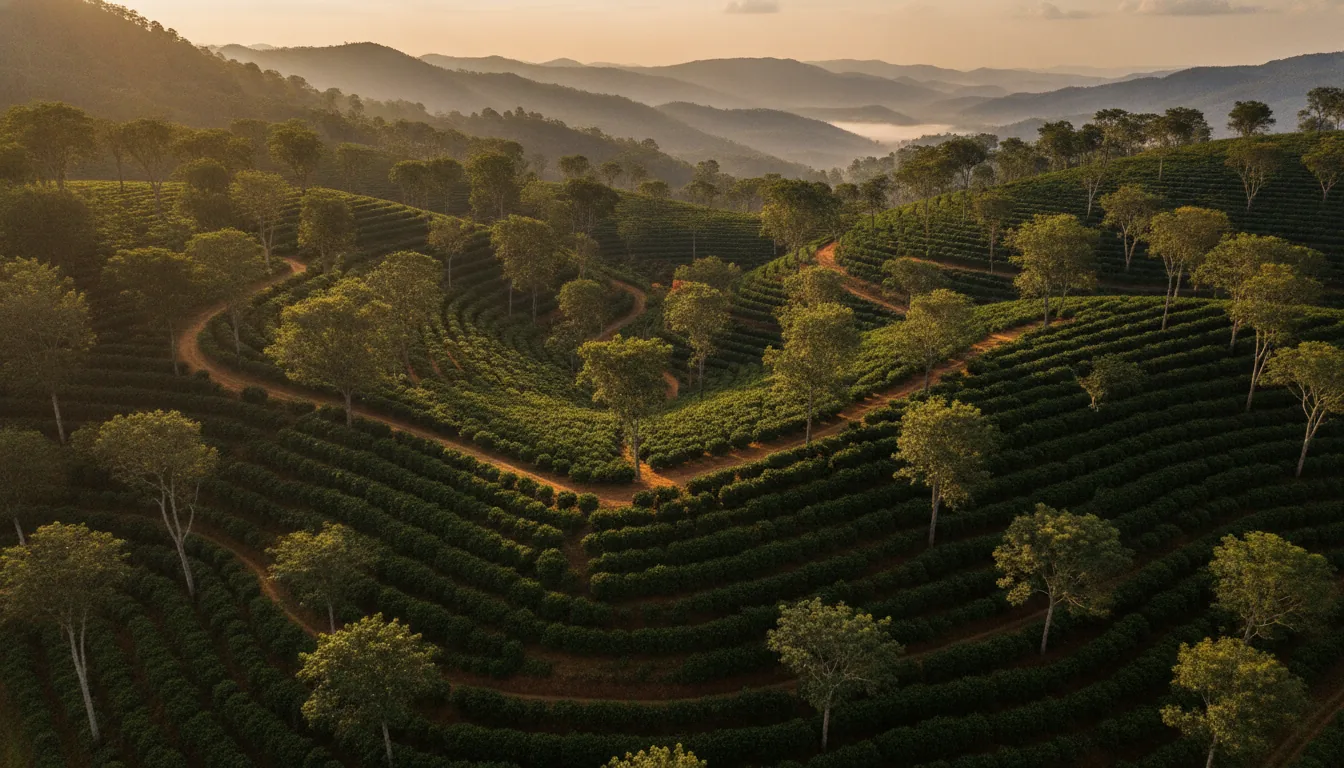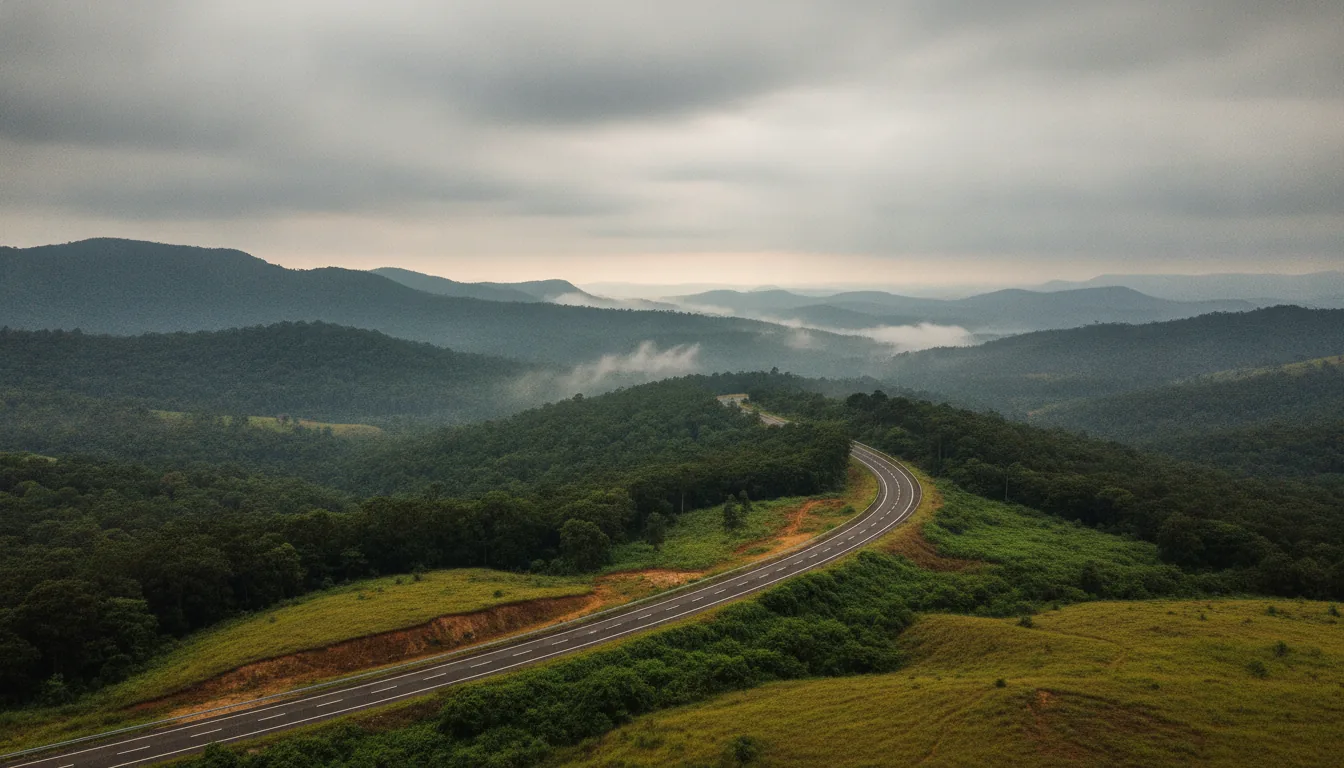

You have driven back down from the hills more than once now. Somewhere on the way home the thought arrives that you would rather not keep leaving. It is not a strange thing to want, and the people who want Coffee Estate are not as few as you might think.
Urban professionals are buying coffee estates instead of visiting them because a visit ends and ownership does not. What changes is not the view but the relationship to it. The hills stop being a destination you book and start being an address you hold.
Table of Contents
Why urban professionals are buying coffee estates, not just visiting them
The reason is lifestyle, not money. When you sort out who actually buys farmland in India, urban professionals and corporate millennials land in a group of their own, and what’s said to move them is mental health, family lifestyle and weekend escapes.
Look at how farmland buyers in India get grouped and a few distinct types appear. High-net-worth buyers and family offices come first, always described in financial language. Founders follow, framed as spreading their risk. Then the people building hospitality and eco-tourism ventures. Then non-residents, holding on to a link with India. And sitting right in the middle of that list is a group described in none of those terms: urban professionals and corporate millennials, buying for how it feels rather than what it pays.
That same group is the one the figures skip. The financial segments come with numbers and citations attached. The urban-professional segment comes with none. Put plainly, the buyer who wants this for the feeling of it shows up often enough to make the list, and isn’t yet taken seriously enough to be written for.
There’s a measurable version of what that group is reacting to. In Bengaluru, TomTom’s traffic index puts average congestion at 74.4 percent, average travel time at 36 minutes and 9 seconds for every ten kilometres, and average rush-hour speed at 13.9 km/h. A driver loses 168 hours a year to rush hour. Seven days, gone, sitting still.
So the wanting isn’t vague and it isn’t rare. What people are less sure about is what actually changes if they act on it.
What changes when the hills become an address instead of a trip
The view stays the same. Your relationship to it doesn’t. A booking ends at checkout; a registered piece of land doesn’t. So you start seeing the same slope in the month nobody chooses to visit, not only in the month the brochure recommends.
A trip is curated by definition. You go when the weather’s described as good, you stay somewhere someone else keeps, and you leave before anything on the land needs doing. It’s a pleasant arrangement, nothing wrong with it, but it holds you at a fixed distance from the place.
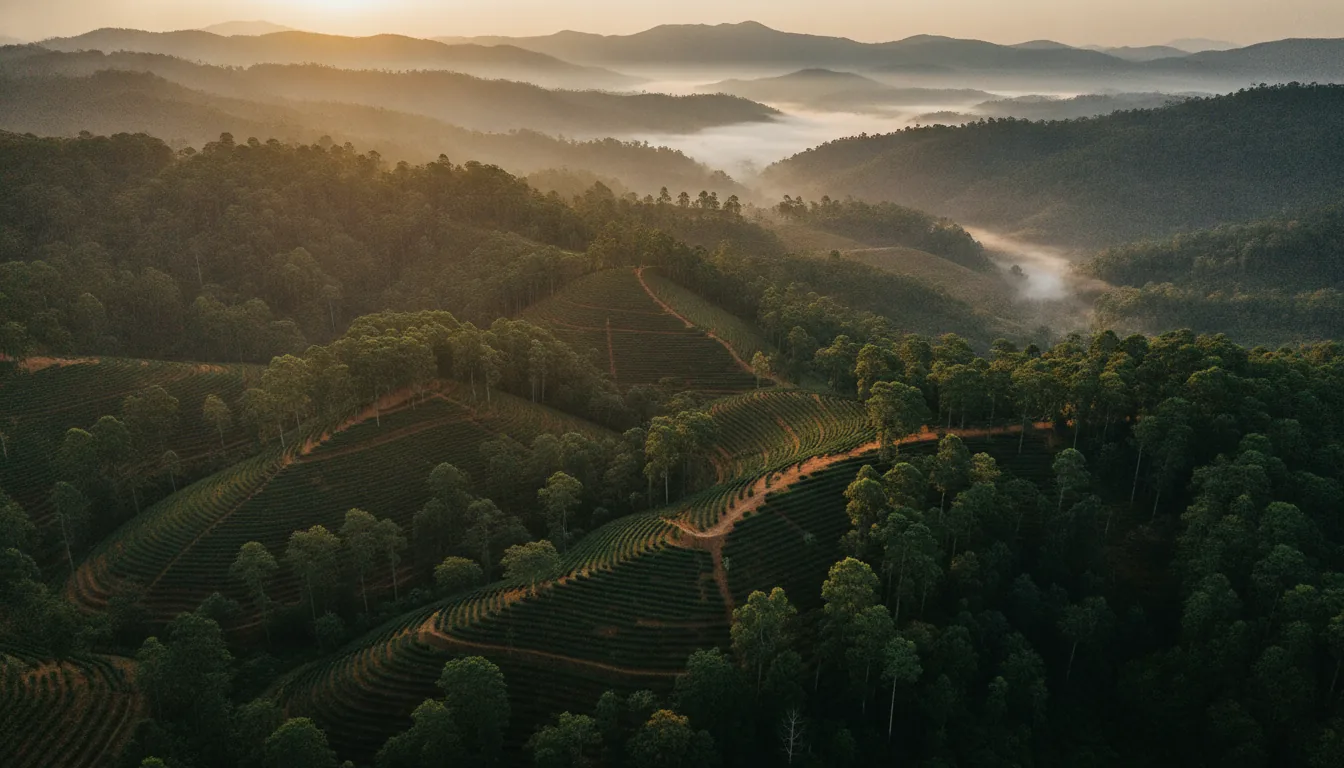
Ownership takes the curation away, and that’s the point rather than the drawback. Sakleshpur stands at 932 metres in the hills of Hassan district, and the year up there has a shape no three-day visit can show you. The dry weeks look nothing like the wet ones. The estate in one season explains the estate in the next.
What you end up with isn’t a better holiday. It’s continuity, which is a different feeling altogether, and it begins with a fairly ordinary legal fact.
What it means to own a half-acre of managed coffee estate
It means a properly registered piece of land in your own name, with your own land record. At Acres Community a half-acre of managed coffee estate is the minimum, larger parcels are available, and the estate around your land is farmed as one working whole.
The registration is the substance of it. Your name goes on the land record, and that record is a public document you can ask to see and later hand to your family. That’s what separates this from holding a position in something that owns land, and from a bare patch of ground nobody is farming.
The half-acre is a unit of a working estate, not a fenced square in a field. Coffee, pepper and timber grow together and get worked together, so what you own is a real share of ground inside something that functions. The full document trail behind that sits on the page covering what your ownership actually rests on.
Which raises the question most city buyers ask next, usually with a slightly nervous laugh.
Running a coffee farm from the city, and why the managed model exists
It’s hard, honestly. A coffee farmer has plenty to think about just to keep the plants healthy, and the business side, marketing and distribution included, eats real time across the whole production cycle. That difficulty is exactly why the managed model exists.
Nobody should buy a working estate assuming it looks after itself. It doesn’t. Somebody prunes, somebody watches for pests, somebody keeps the water moving and the roads passable, and somebody handles the crop once it comes off the plants.
Under a managed model that somebody isn’t you. The service covers farming and crop care, security, roads, fencing and water, and a dedicated relationship manager for every owner, so the estate runs on a professional calendar rather than on your annual leave. The day-to-day detail of what a managed estate actually includes is set out on the managed-estate hub.
That covers the work. The paperwork is a separate question, and a shorter one.
How to own a coffee estate
Your ownership rests on a registered sale deed, the land record (the RTC or Pahani) in your name, the mutation that moves that record to you, and an encumbrance certificate confirming the estate carries no loans.
Four documents, in that order. The deed records the sale, the land record shows the land as yours, the mutation is the act of moving that record from the previous holder across to you, and the encumbrance certificate proves nothing is charged against the land you’re buying.
It’s worth memorising, because it’s also the list to ask any seller for, anywhere, before money moves. We publish the same four in the same order because there’s no shorter honest version. Each one is explained properly in owning an estate, taken end to end.
Documents settle what you hold. Where you hold it is the part people feel first.
Why the Western Ghats, and the Belur-Sakleshpur belt in particular
Because the Western Ghats are a UNESCO World Heritage site and one of the world’s eight hottest hotspots of biological diversity, and the Belur-Sakleshpur belt sits inside them, in Hassan district, 224 km from Bengaluru on National Highway 75.
The Western Ghats were inscribed on the World Heritage List in 2012 under criteria (ix) and (x), as 39 component parts organised into seven sub-clusters across Kerala, Tamil Nadu, Karnataka, Goa, Maharashtra and Gujarat. The site holds at least 325 globally threatened species. Of roughly 650 tree species growing there, 352, or 54 percent, exist nowhere else on earth. Among amphibians the endemism runs to 65 percent.
Those are the hills people photograph on the way to a homestay. Owning inside them is a different proposition from passing through them.
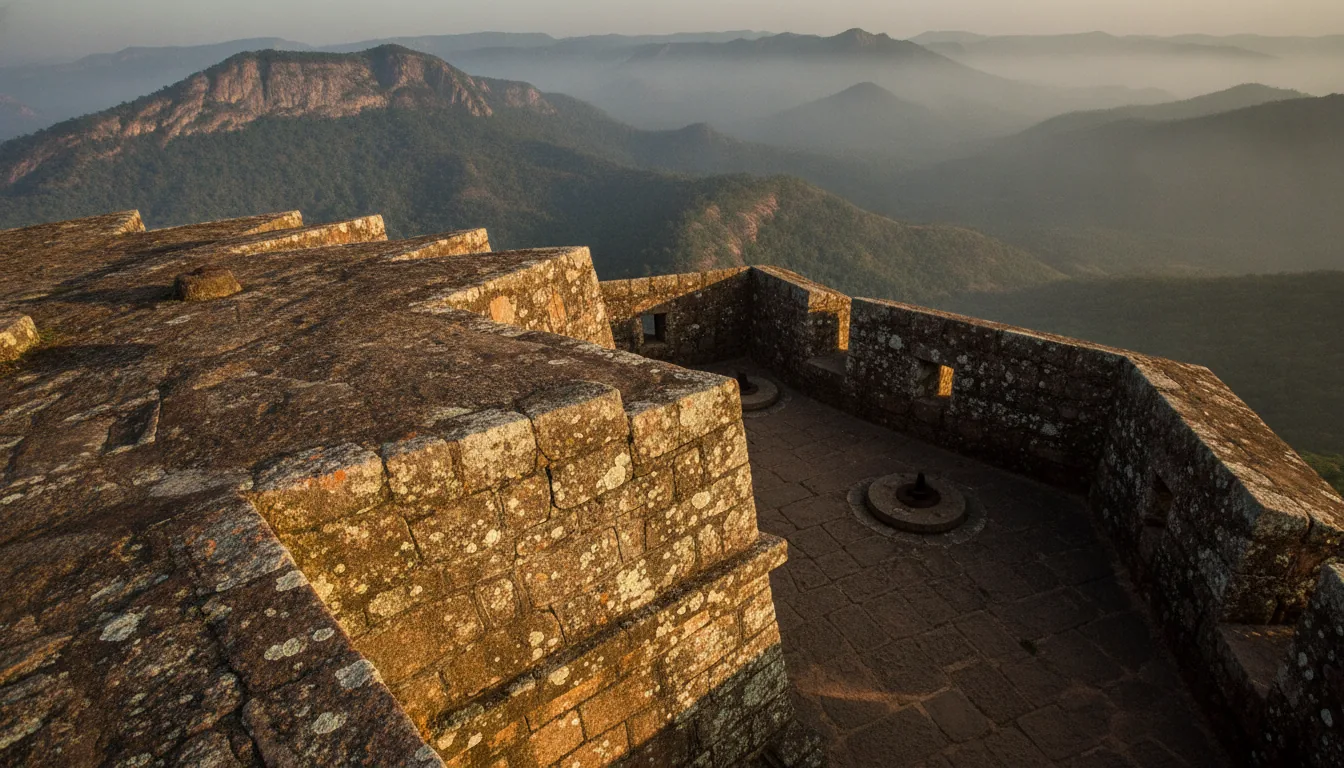
Sakleshpur is a taluk headquarters in Hassan district and one of the district’s two sub-divisional centres, standing at 932 metres in the Malnad region, with the Bisle Reserve Forest nearby and Jenukal Betta, the district’s highest peak at 1,380 metres, within the same taluk. The country around it grows coffee, cardamom, pepper and areca. Mangalore is 128 km away in one direction and Bengaluru 224 km in the other, on National Highway 75.
That distance is the quiet argument for the belt. Far enough that the air changes, close enough that a Friday evening still works. More on the Belur-Sakleshpur belt in detail sits on its own page.
Which brings up the comparison almost every reader is silently making by now.
This is not a second home
It isn’t. A second home is a house you buy and then visit. What Acres Community sells is land, registered in your own name, on a working coffee estate. The house isn’t the product, and a visit is you spending time on ground you already own.
The phrase second home is doing a lot of work in this category right now, and it usually describes something specific and perfectly legitimate: a built house in a gated development, sold on comfort, design and proximity. If that’s the thing you want, it exists and it’s easy to find. Plenty of people are happy with exactly that.
This is a different object. The unit is a half-acre of managed coffee estate, and what you hold is the land and the record that names you on it. Between your visits the estate is farmed. When you arrive you’re not a guest of anyone, you’re not checking in, and there’s no checkout time.
Nothing here is let to anyone and nothing here earns from guests. The only person visiting your land is you. While the world visits, you belong.
If that distinction lands, the next reasonable question is what the owning actually feels like across twelve months.
What a year of ownership actually looks like
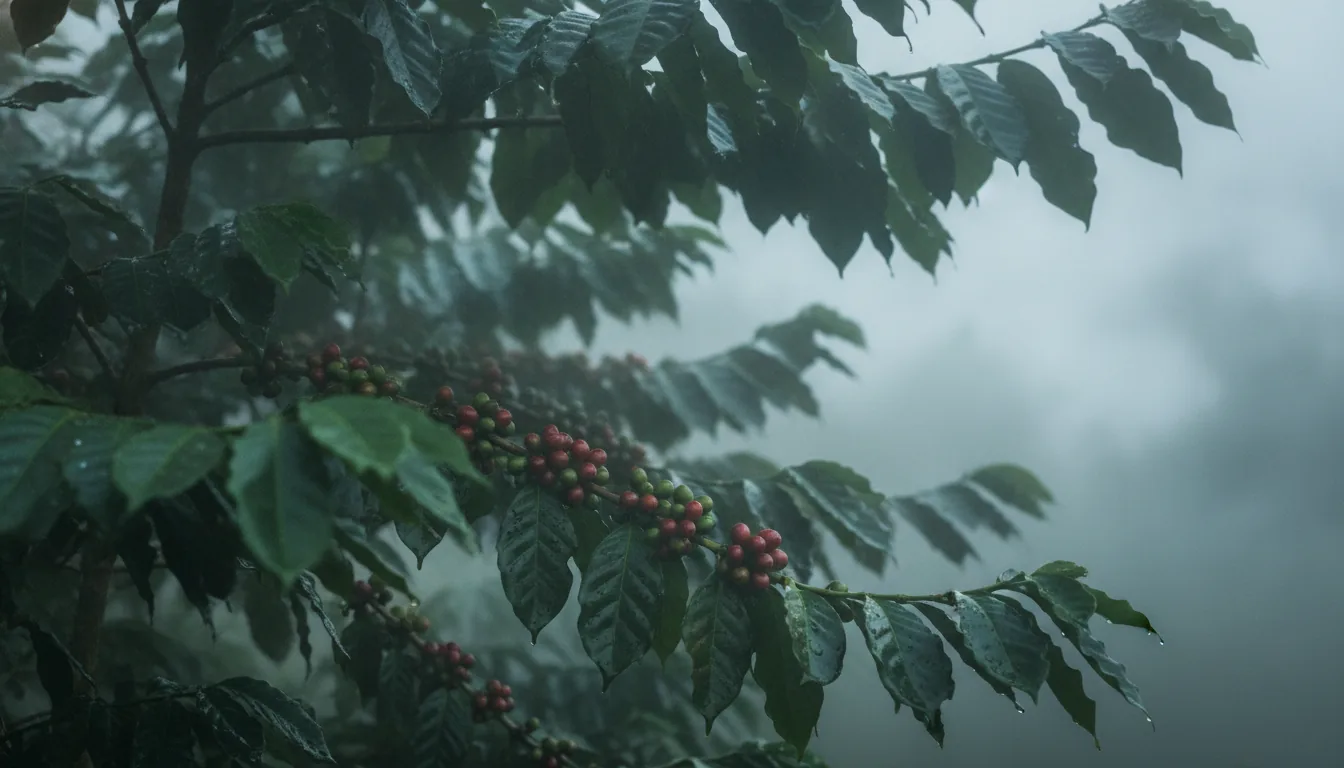
It runs on the crop calendar, not yours. The dry season closes with blossom showers, the monsoon arrives and July alone brings around 835 mm of rain, and the year turns toward harvest. Each visit shows you a different estate.
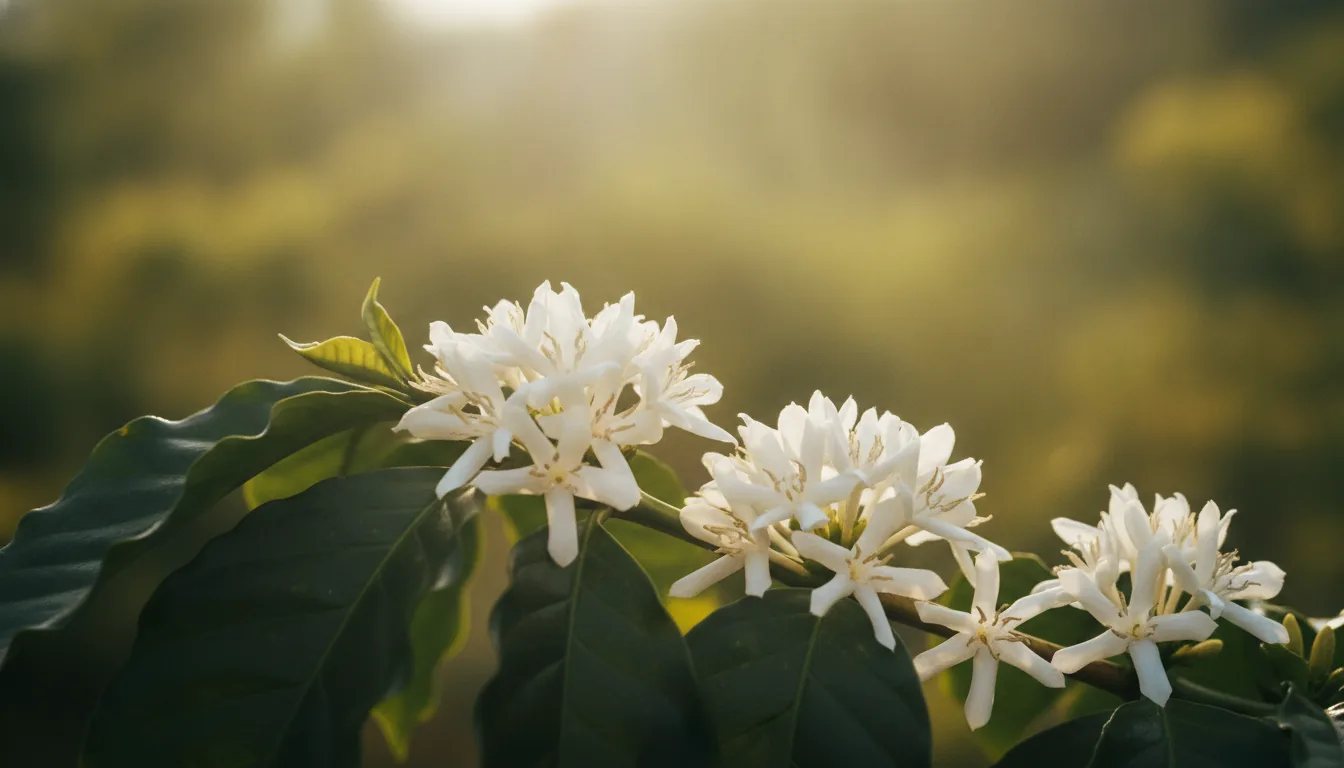
Arrive in the dry months and the estate is quiet, worked, waiting. The blossom showers change that within days, and the flowering that follows is the moment the year commits itself. Then the rain sets in properly, and 835 millimetres in a single month isn’t weather you take in from a veranda in passing. It’s weather that explains why the soil holds what it holds.
Harvest is the loud part, and after it the estate resets. Coffee, pepper and timber each keep their own time inside the same year, so there’s always something in progress on the ground you own.
Between your visits none of it waits for you. The crop is cared for, the boundaries and water and roads are kept up, the estate stays secure, and there’s one person you can call who knows what happened while you were away. You can read how the estate is looked after between visits in full.
All of which suits a particular kind of buyer, and quite plainly doesn’t suit others.
Who this is not for
It isn’t for anyone looking for a quick financial play, and it isn’t for anyone who wants a rental asset. It isn’t for someone who wants a built house on a hill, and it isn’t for someone who wants to farm the land with their own hands.
Take those in turn. If money is the reason, this page has given you none of the arguments you were after, and that omission is deliberate rather than accidental. If you want the land to pay for itself through guests, that’s a different business and this isn’t it. If you want a house, buy a house, and there are people who do that very well.
And if you want to farm, be clear about what you’d be taking on. Keeping coffee healthy is continuous, skilled work, and the estate here is worked as one whole by people who do it for a living, which means the pleasure on offer is the pleasure of a place, not of the labour.
Who it does suit is the buyer that farmland analysis in India already identified and then walked straight past: the urban professional who wants mental health, family lifestyle and weekend escapes, and who’d rather own the place those things happen in than book it again.
Frequently asked questions
How to own a coffee estate?
Ownership is a document trail. A registered sale deed records the sale, the land record moves into your name, a mutation logs that move, and an encumbrance certificate confirms no loans sit against the estate.
How hard is it to run a coffee farm?
Harder than it looks from a weekend visit. Keeping the plants healthy is continuous work, and the business side takes significant time across the production cycle. Under a managed model none of that falls to you: crop care, security, roads, fencing, water and a relationship manager are the service rather than your weekend.
Is owning an estate the same as buying a holiday home?
No. A holiday home is a built house you purchase and visit. Here you purchase land, registered in your own name, inside a working coffee estate, and no house is part of the offer. Your visits are time spent on ground you own, and nothing on it is let to anyone.
Do I need to know anything about farming?
No. The estate is farmed for you, covering crop care, security, roads, fencing and water, with a dedicated relationship manager as your single point of contact. You will pick up the crop cycle over a few visits anyway, because it becomes difficult not to.
How often would I actually visit?
As often as you want to. Sakleshpur sits 224 km from Bengaluru on National Highway 75, which puts it inside a weekend for most people living in the city. Some owners come every few weeks, others come with the seasons. Nothing about the land requires a schedule from you.
Can I pass this on to my family later?
Yes. The half-acre passes to your family as land rather than as a company share, because the record already carries your name. If you would rather sell, an owner may sell their half-acre independently and the company holds first right of refusal.
If this sounds like you
If you don’t have coffee estate. It is enough, for now, to know that the thing you have been half-wanting has a real shape: land in your name, in hills that are protected for a reason, worked by people who do this properly, two hundred and twenty-four kilometres from your front door.